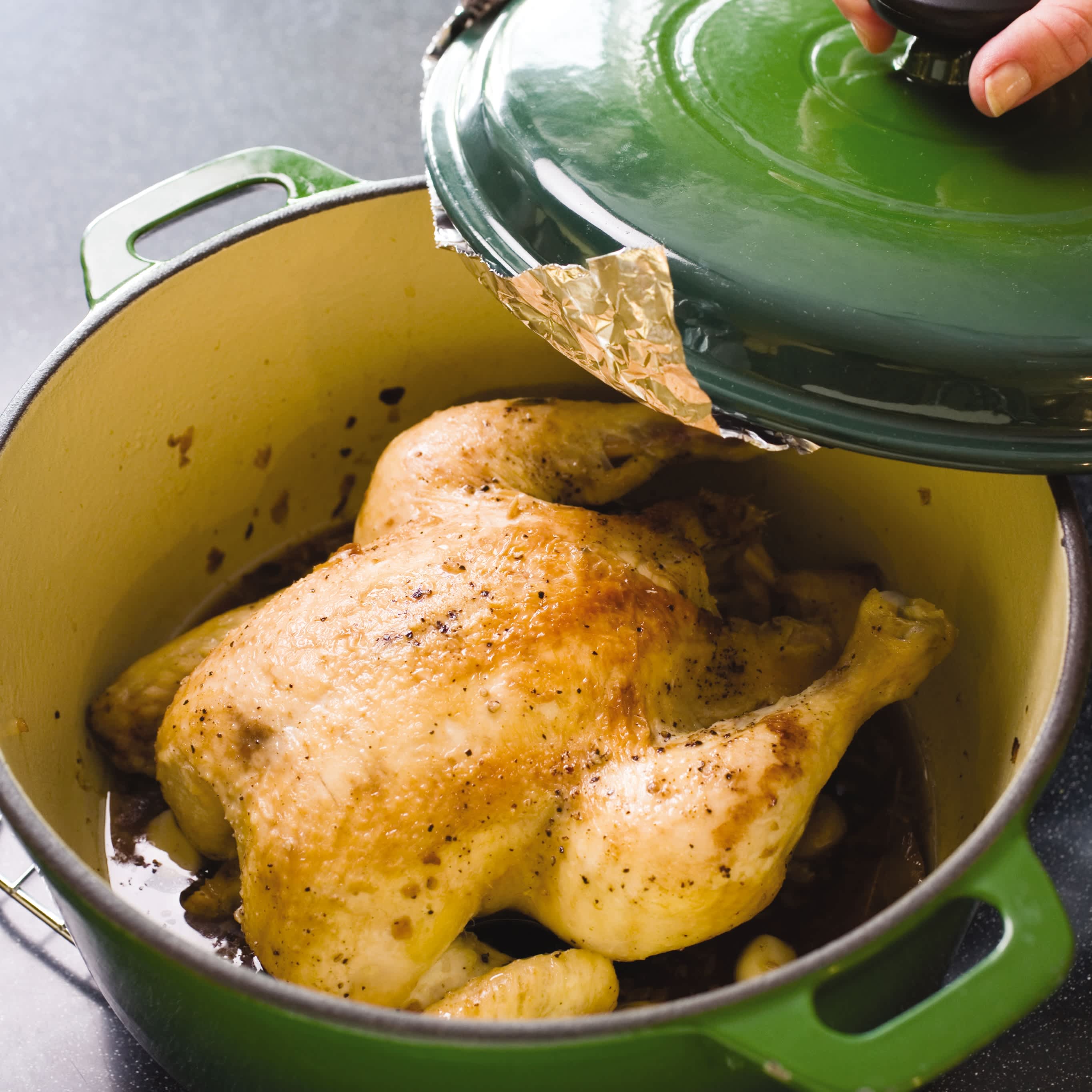
Cook's Illustrated French Chicken: Simple, Juicy, Unforgettable
Imagine a whole roasted chicken so incredibly tender, so bursting with concentrated flavor, that it redefines your expectations of home cooking. No exotic ingredients, no complicated techniques, just pure, unadulterated chicken goodness. This isn't a culinary fantasy; it's the reality of the French Chicken in a Pot recipe, perfected by the meticulous folks at Cook's Illustrated. If you've ever yearned for a show-stopping meal that’s deceptively simple to achieve, prepare to meet your new favorite.
While the name "French Chicken" might conjure images of chickens with tiny berets or exclusive poultry imported from picturesque Gallic farms (a fun thought, indeed!), rest assured, this recipe is about a revered French *technique* applied to any good quality roasting chicken you can find. It’s a method that boldly foregoes the often-sought-after crispy skin in favor of something arguably more sublime: meat so succulent it practically melts in your mouth, infused with an unforgettable, pure chicken flavor.
What Makes Cook's Illustrated French Chicken So Special?
The genius of Cook's Illustrated lies in its scientific approach to cooking, dissecting traditional recipes to understand precisely *why* they work, and then optimizing them for consistent, superior results. Their "French Chicken in a Pot" is a prime example of this philosophy in action. The secret? A unique cooking method that sets it apart from conventional roasting or even braising.
The Dry Pot Distinction: Flavor Concentrated, Not Diluted
Unlike braised chicken, where significant liquid (wine, broth, water) is added to the pot, the Cook's Illustrated method employs a *dry pot*. This might sound counterintuitive for achieving moistness, but it's the very core of its brilliance. The chicken is placed in a tightly sealed Dutch oven with no added liquid. As it cooks slowly at a low temperature (a mere 250°F), its natural juices are released. With nowhere to escape and nothing to dilute them, these precious juices continually re-circulate within the enclosed environment, bathing the chicken in its own essence. This leads to an extraordinary depth of flavor that is pure, intense, and undiluted.
The wet environment of braising, while delicious in its own right, creates an ongoing exchange between the chicken's flavors and the added ingredients. With the dry pot cooking method, every drop of moisture and every nuance of flavor that emerges from the chicken goes right back into it. This self-basting effect ensures maximum succulence and an almost unbelievably rich chicken taste that stands alone.
Yes, you will sacrifice the crispy skin that many adore from a traditional roast. But the trade-off is utterly worth it. The skin, while soft, still contributes to the overall flavor and tenderness of the meat. The unparalleled moistness and intense flavor of the chicken meat become the undeniable stars of this culinary show.
The Simple Science Behind the Succulence
The beauty of this recipe lies in its simplicity and the masterful application of low-and-slow cooking. It’s a testament to how often the most profound flavors come from respecting the ingredients and understanding their intrinsic qualities.
Low and Slow: The Path to Perfect Tenderness
The oven temperature of 250°F is crucial. This gentle heat allows the chicken to cook slowly and evenly, preventing the muscle fibers from seizing up and releasing too much moisture too quickly. This extended cooking period ensures that connective tissues break down, resulting in incredibly tender meat that practically falls off the bone. The tightly covered Dutch oven acts like a miniature sauna, trapping all the steam and rendered fats, creating a highly humid environment that continuously bastes the chicken from within. This is the secret to incredibly moist meat, often achieved with minimal fuss.
Aromatics for an Unforgettable Jus
While the focus is on the chicken's inherent flavor, a carefully selected supporting cast of aromatics elevates the resulting pan juices, known as the *jus*, to something truly extraordinary. Simple ingredients like chopped onion, celery, garlic, and a bay leaf, often joined by fresh rosemary, infuse the chicken and its accumulating juices with subtle, savory notes without overpowering the star. These aromatics caramelize and meld with the chicken's fat and moisture, creating a complex foundation for the rich, concentrated sauce that forms at the bottom of the pot.
Preparing Your Unforgettable French Chicken in a Pot
Embarking on this culinary journey requires minimal effort but yields maximum reward. Here’s how to bring this Cook's Illustrated masterpiece to life in your own kitchen:
Essential Ingredients: Quality Over Quantity
- 1 Whole Roasting Chicken (4 1/2 to 5 pounds): Choose a high-quality chicken for the best flavor. Remove and discard giblets.
- 2 teaspoons Kosher Salt or 1 teaspoon Table Salt: Crucial for seasoning the chicken thoroughly.
- 1/4 teaspoon Ground Black Pepper: Freshly ground is always best.
- 1 tablespoon Olive Oil: For searing the chicken initially.
- 1 Small Onion, chopped (about 1/2 cup): Adds a foundational sweetness.
- 1 Small Celery Stalk, chopped (about 1/4 cup): Contributes savory notes.
- 6 Medium Garlic Cloves, peeled and trimmed: For aromatic depth.
- 1 Bay Leaf: A classic herb for savory dishes.
- 1 Medium Sprig Fresh Rosemary (optional): Adds an earthy, piney aroma. Thyme is also an excellent alternative.
- 1/2 to 1 teaspoon Fresh Lemon Juice: For brightening the final jus.
Step-by-Step Perfection:
- Preheat Your Oven: Place an oven rack in the lowest position and heat your oven to a precise 250°F. This low placement helps ensure even cooking.
- Prepare the Chicken: Thoroughly pat the chicken dry with paper towels. This step is critical for a good initial sear and helps prevent steaming. Season generously with salt and pepper, making sure to rub it into all surfaces.
- Sear for Flavor: Heat the olive oil in a heavy-bottomed Dutch oven (ideally 5 1/2 to 7-quart capacity) over medium heat until it just begins to smoke. Carefully add the chicken, breast side down, into the hot oil. Allow it to sear undisturbed for about 5-7 minutes, until beautifully browned. This initial searing isn't for crisp skin, but to build a rich flavor base through the Maillard reaction.
- Add Aromatics and Slow Cook: Flip the chicken so it's breast side up. Arrange the chopped onion, celery, garlic cloves, bay leaf, and rosemary sprig (if using) around and inside the cavity of the chicken. These aromatics will slowly release their flavors into the chicken's juices.
- Cover and Cook: Tightly cover the Dutch oven with its lid. Transfer the pot to the preheated 250°F oven. Cook for approximately 3 to 4 hours, or until an instant-read thermometer inserted into the thickest part of the thigh (without touching the bone) registers 165°F (74°C). Avoid peeking too often, as you want to keep the moist environment sealed.
- Rest and Finish: Once cooked, carefully remove the Dutch oven from the oven. Transfer the chicken to a cutting board, tent it loosely with foil, and let it rest for at least 15-20 minutes. This allows the juices to redistribute, ensuring maximum moistness.
Elevating the Experience: Serving and Enhancements
The cooking process might be simple, but the serving of this French Chicken in a Pot is where its true elegance shines.
The Golden Jus: A Culinary Treasure
While the chicken rests, turn your attention to the incredibly flavorful pan juices in the Dutch oven. These concentrated juices, or *jus*, are liquid gold. If you have a fat separator, pour the contents into it and allow the fat to rise to the top, then easily separate the flavorful liquid. Alternatively, pour the juices into a liquid measuring cup and let it settle for 5-10 minutes. Skim off as much rendered fat from the surface as possible. For an even easier method, if making ahead, simply cover the measuring cup and refrigerate. The fat will solidify on top, making it effortless to remove before reheating the jus. Stir in the fresh lemon juice to brighten the flavor before serving.
Serving Suggestions for an Unforgettable Meal
Carve the chicken into serving pieces. Drizzle generously with the warm, clarified jus. This French chicken in a pot pairs beautifully with classic accompaniments that can soak up its magnificent sauce. Think creamy mashed potatoes, fluffy rice, or simply a crusty baguette to sop up every last drop. A side of simple steamed green beans or asparagus, perhaps with a touch of butter, will complete this comforting and sophisticated meal. For a subtle variation, consider adding a few peeled and quartered carrots or leeks along with the other aromatics during the cooking process; they will emerge wonderfully tender and infused with flavor.
Conclusion
The Cook's Illustrated French Chicken in a Pot isn't just a recipe; it's a revelation. It proves that culinary magic doesn't require complexity, but rather a thoughtful approach to fundamental techniques. By embracing the low-and-slow, dry-pot method, you unlock a depth of flavor and tenderness in chicken that is truly extraordinary. Forget the chase for crispy skin just this once, and allow yourself to be captivated by the unparalleled juiciness and intense, pure chicken flavor that this method delivers. Simple to prepare, profoundly satisfying, and undeniably unforgettable, this French chicken in a pot is a must-try for anyone seeking to elevate their home cooking with minimal fuss and maximum impact.
